Author: tvasher

  • Transposing | AGW 2016

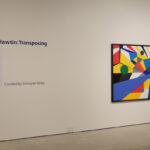
    Transposing

    Art Gallery of Windsor
    April 23 – June 5, 2016
    Curated by Srimoyee Mitra

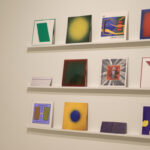
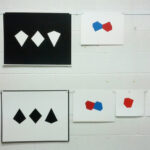
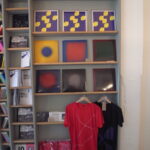
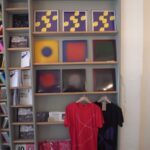
    The Art Gallery of Windsor is proud to present a mid-career survey exhibition of Matthew Hawtin’s past, present and future work. Born in the UK and raised in Windsor, Ontario, Canada, Hawtin spent formative years as a teenager hopping across the river to Detroit with his brother, Richie Hawtin, where they would visit art exhibitions by day and DJ at underground parties by night. It was there that the influence of the industrial-style of Detroit techno music permeated his art practice. From an early age the Hawtin brothers worked together, influencing one another. For example, while Matthew focused on his visual practice, Richie, his brother, started his own record labels and composed electronic music. Soon Matthew’s artwork was featured on Plus 8 Records and Minus Records, respectively, a relationship that has grown as their practices evolved and the brothers matured.

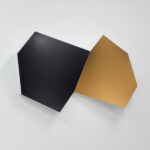
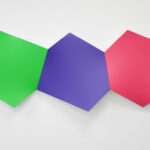
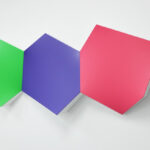
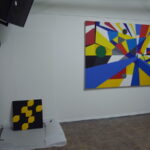
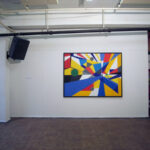
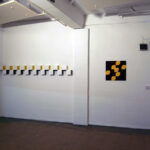
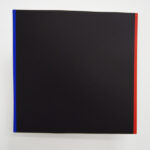
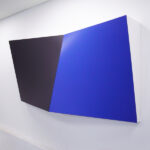
    Matthew studied Fine Arts at York University, Toronto and received his Masters in the Art in Architecture program at the University of East London, UK. He was influenced early on by the abstract-expressionists and then became deeply influenced by the minimalist philosophy that emphasized the simplicity of form, colour, shape, size and textures. As he developed his repertoire, Matthew organically infused the spatial characteristic of early electronic music to the formalist aesthetic vocabulary of minimalism to arrive at the Torqued Painting series. These paintings lie at the intersection of sculpture, design and architecture. Their three-dimensionality encompasses a sense of movement, rhythm and energy – emerging out of the wall and immersing the viewer in their vibrant colours and unusual forms.

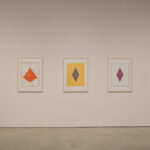
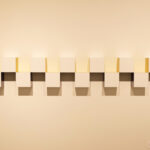
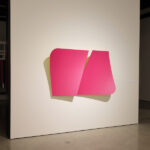
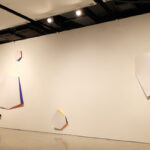
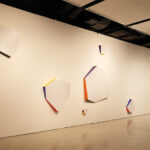
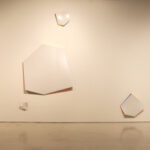
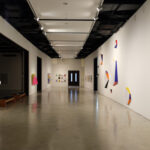
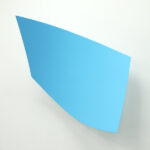
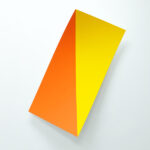
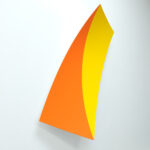
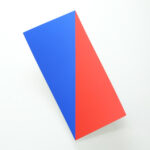
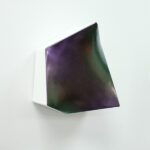
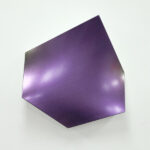
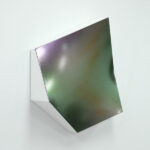
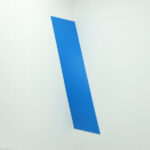
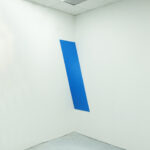
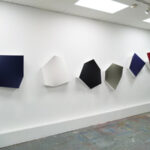
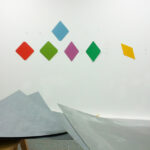
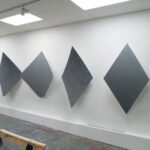
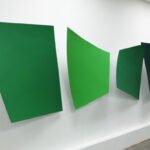
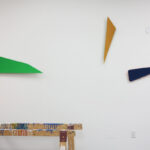
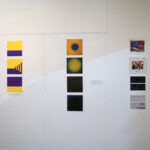
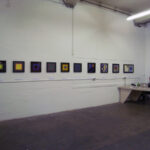
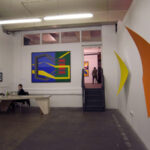
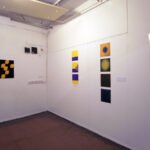
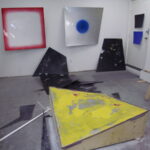
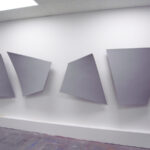
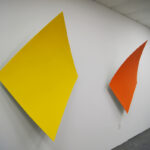
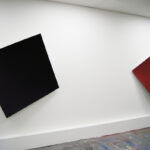
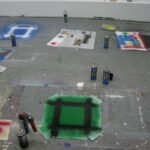
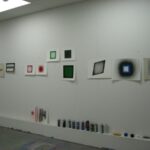
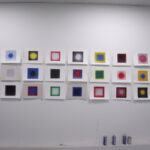
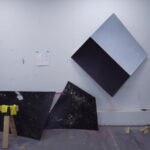
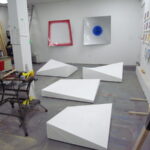
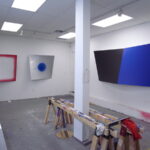
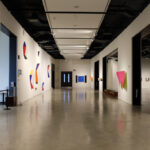
    Over the last decade, Matthew has experimented with completely removing the physical frame of the work and leaving only a painted surface, like a floating futuristic plane devoid of gravity. For Matthew Hawtin: Transposing, he will premiere a major site-specific installation composed of multiple torqued paintings created in response to the architecture of the Gallery space. These will be presented in conjunction with his early works on canvas and cover art for record label releases, to new and recent paintings on canvas and fiberglass. Altogether, the exhibition promises to take viewers on a journey that tells the story of the formation of a truly local artist whose varied work has resonated with a global audience.
  • Torqued Series 2016

    Torqued Series 2016

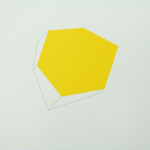
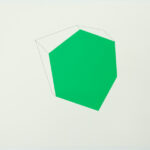
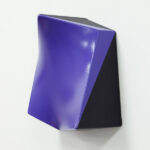
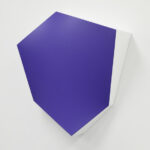
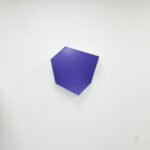
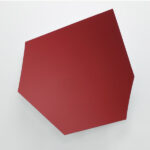
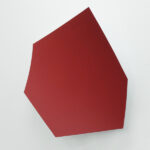
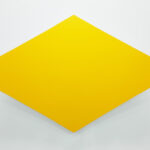
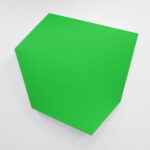
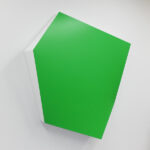
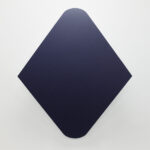
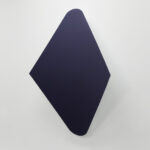
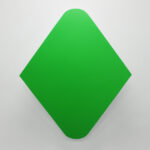
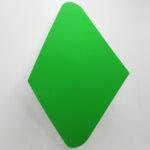
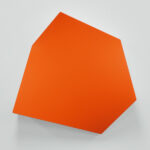
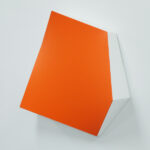
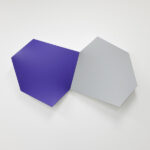
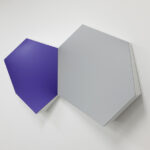
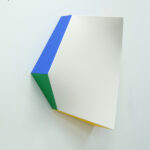
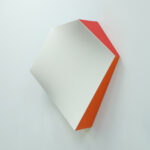
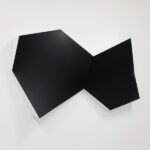
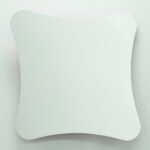
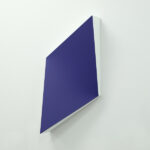
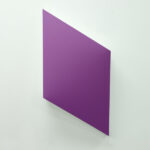
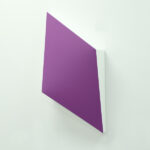
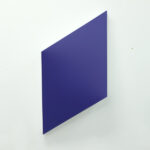
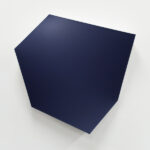
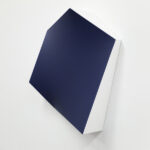
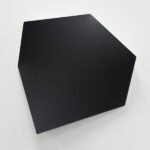
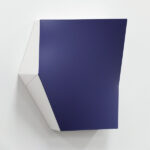
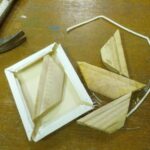
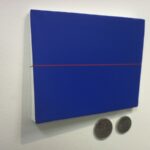
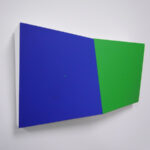
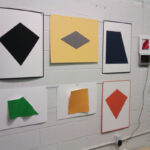
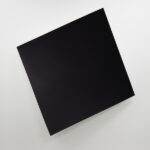
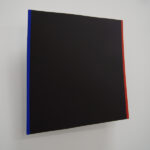
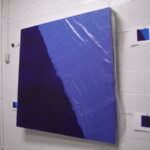
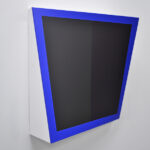
    The Torqued Series started in 1998 with the introduction of the ‘Torqued Paintings’. This was an investigation into the basic principles of painting – line, shape, colour and form – through the use of custom-built stretcher frames that ‘torque’ the painting surface. In recent developments to this series the wooden frame has been constructed with no perpendicular sides to create a new and dynamic shape with resulting torqued surface. This abstract frame leads the painting series through explorations of colour, size and materials to continually push the work forward.
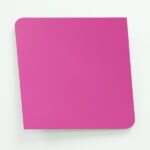
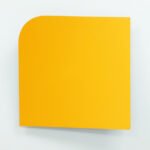
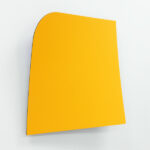
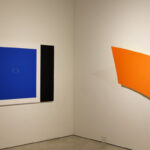
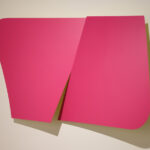
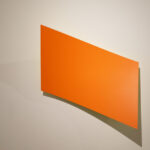
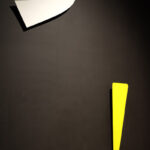
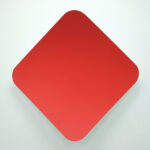
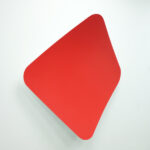
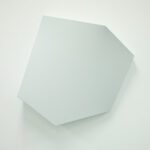
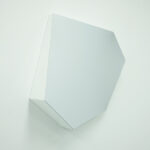
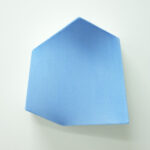
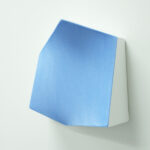
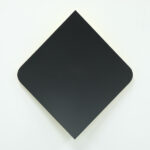
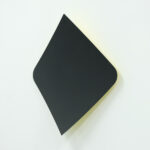
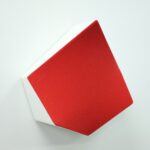
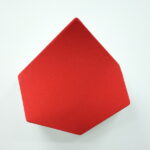
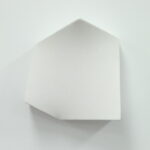
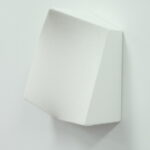
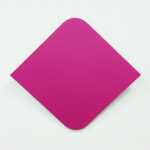
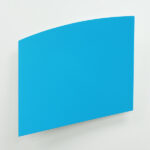
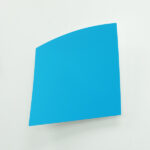
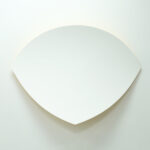
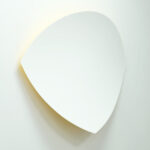
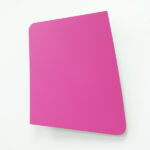
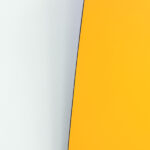
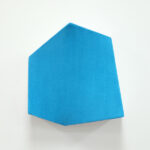
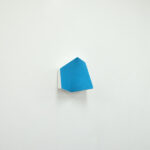
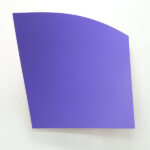
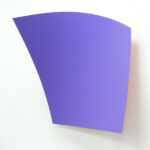
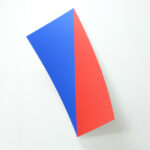
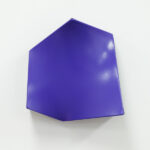
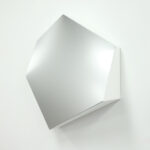
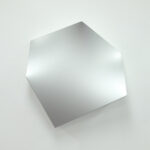
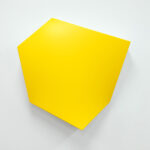
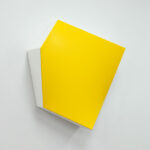
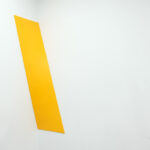
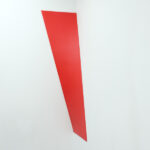
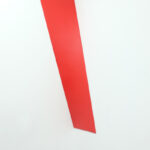
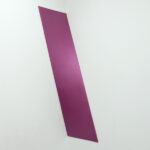
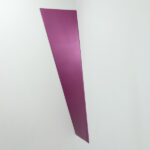
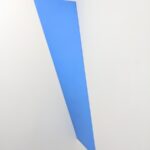
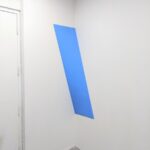
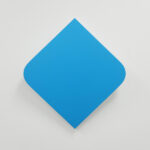
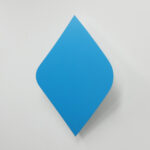
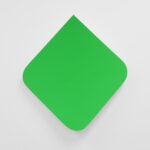
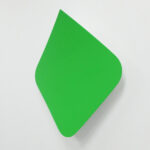
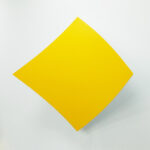
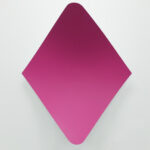
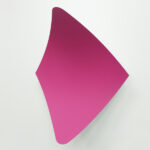
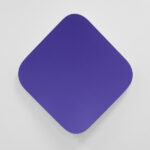
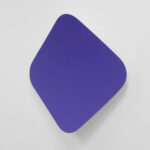
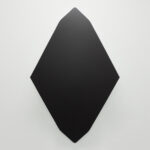
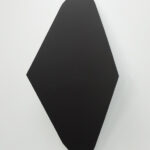
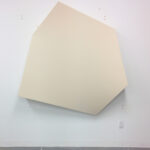
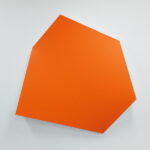
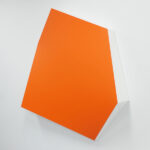
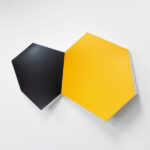
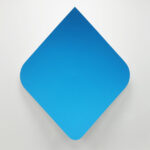
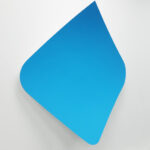
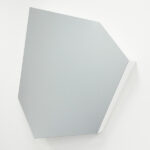
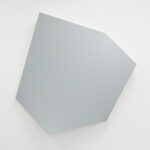
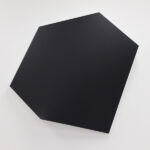
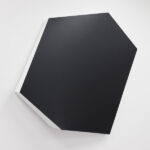
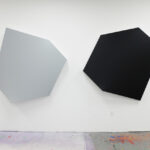
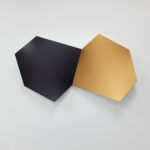
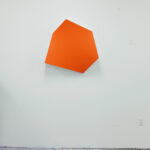
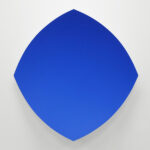
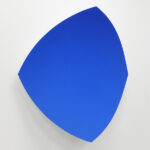
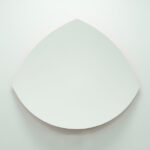
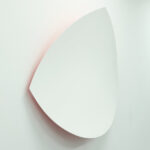
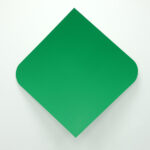
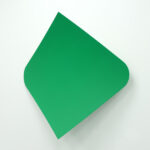
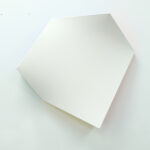
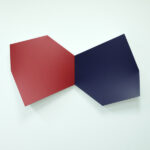
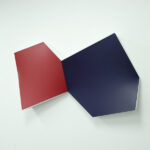
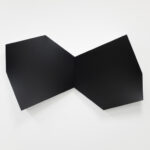
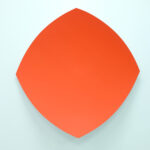
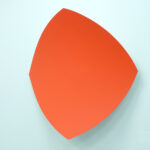
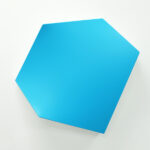
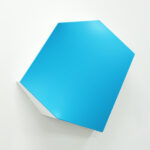
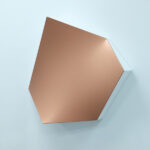
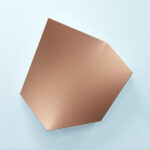
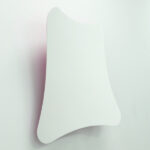
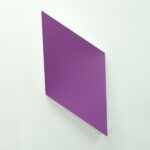
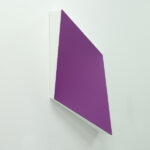
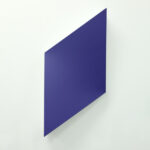
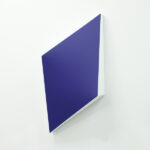
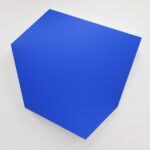
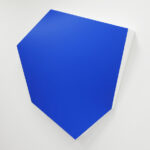
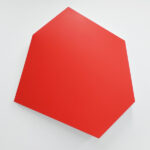
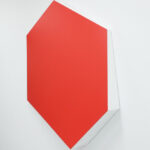
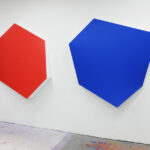
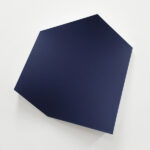
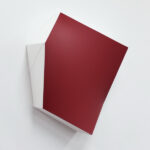
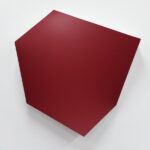
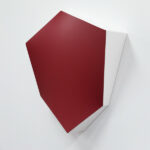
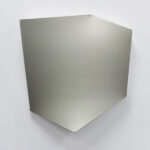
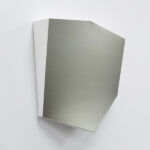
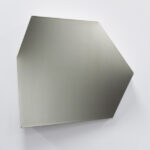
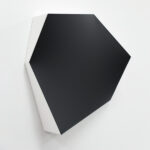
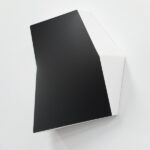
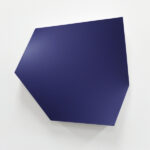
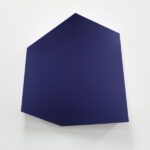
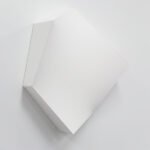
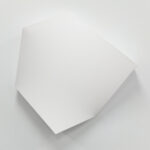
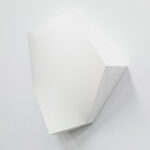
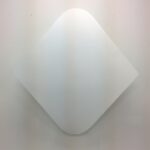
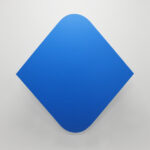
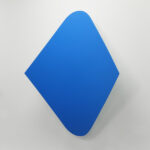
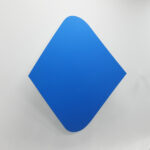
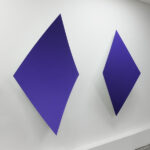
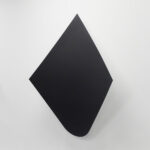
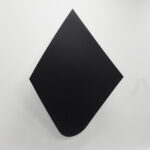
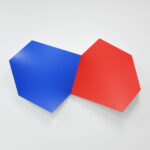
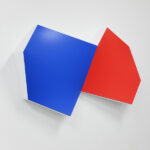
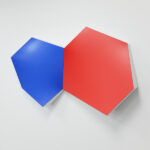
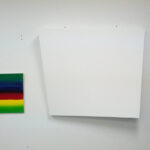
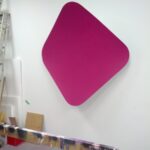
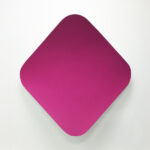
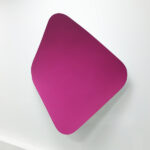
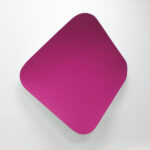
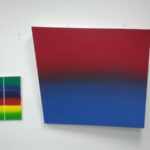
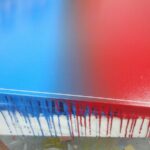
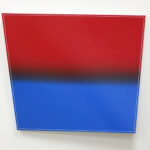
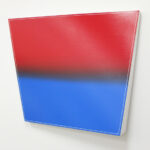
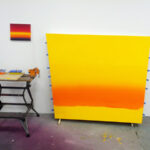
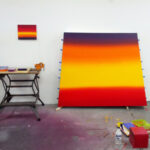
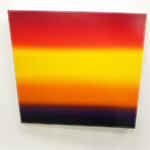
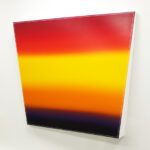
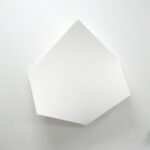
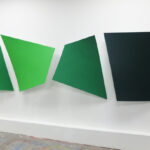
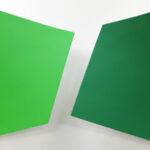
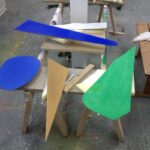
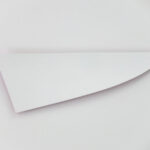
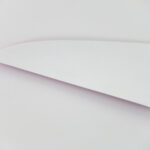
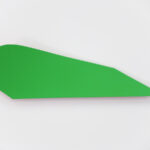
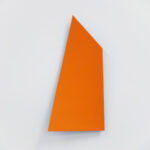
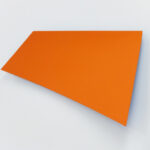
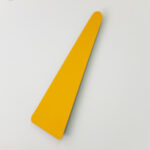
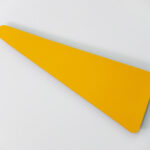
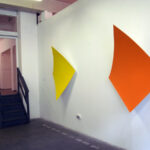
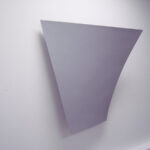
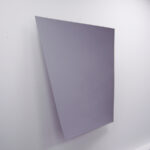
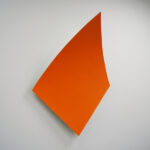
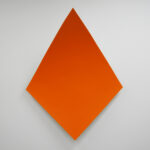
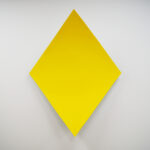
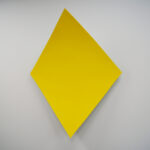
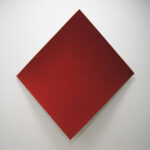
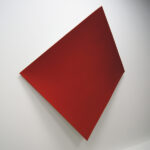
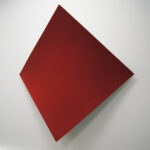
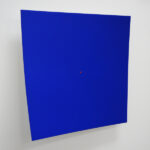
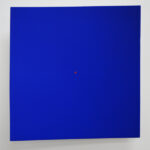
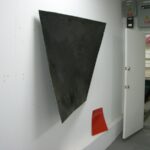
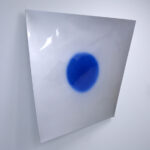
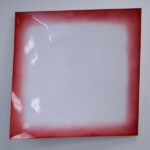
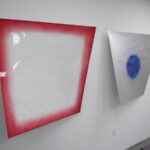
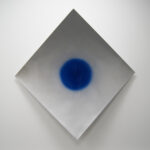
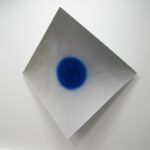
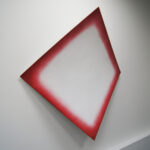
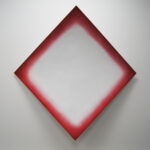
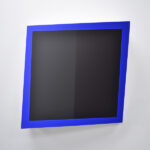
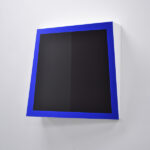
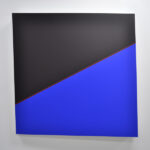
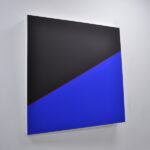
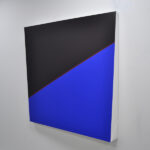
    This continued evolution of work bought about a new variant of the series in 2009. The ‘Torqued Panels’ emerged out of the desire to remove the physical structure of the paintings (i.e. the stretcher frame), and to focus more intently on only surface. Fiberglass panels and custom mounting brackets were chosen to achieve painted torqued surfaces in varying sizes, shapes and colours that seem to ‘float off the wall’, giving them a weightlessness and presence apart from conventional paintings.
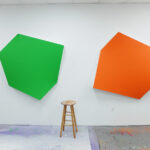
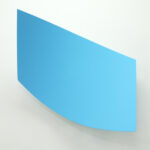
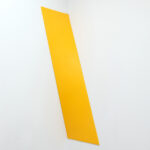
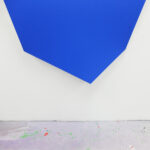
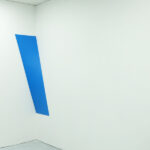
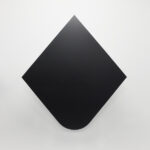
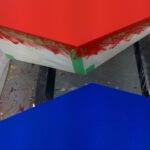
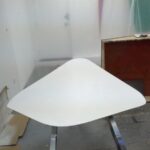
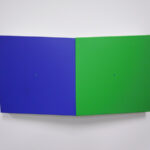
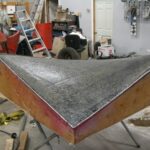
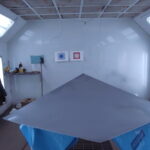
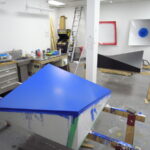
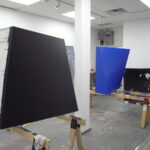
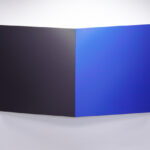
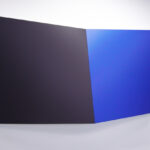
    This lightness of form is also explored in the new corner works, a piece in development for the past 4 years. It is a physical object that contours to the angled meeting point of a room creating it’s own ambiguous curved space. The corner piece inhabits an area of a room usually devoid of interference yet it’s through intervention that something new exists – a colourful but quiet entity cornered for consideration.
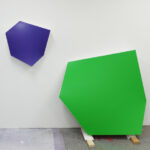
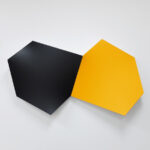
    Although each series has it’s own technical demands, they all live in aesthetic parallel that blur the line between artistic disciplines. There is a determination to continually push the work forward through aesthetic variations, technical refinements and experimenting with new materials. Within this forward trajectory there is an overall vision to create art that is ‘other-worldly’ and in a sense, futuristic. A looking towards an aesthetic not yet seen or fully understood – a desire to go where no one has gone before.

  • Torqued Series 2015

    Torqued Series Statement 2015

    The Torqued Series started in 1998 with the introduction of the ‘Torqued Paintings’, an investigation into the basic principles of painting – line, shape, colour and form through the use of custom built stretcher frames that ‘torque’ the painting surface. This series has continued since, exploring different iterations on the same underlying principles. In recent developments to this series the wooden frame has foregone any right-angled proportions and instead has been constructed with no perpendicular sides to create a new and dynamic shape with resulting torqued surface. The original idea was to take one form and by changing the hanging position of each painting a new form would be visible.

    In 2009 a new development in the Torqued Series emerged by considering the possibilities of removing the physical structure of the paintings (i.e. the stretcher frame), to focus more intently on only surface by maintaining a painted torqued plane that ‘floated off the wall’. To achieve this effect fiberglass panels are used as the painting support. With this new series I was interested in trying to achieve something ‘other-worldly’ and in a sense, futuristic. As the series has progressed the work has also become more individualized, each taking on colourful personalities.

    The Torqued Series, the panels and paintings, live in aesthetic parallel and can be viewed as formal objects that blur the line between painting and sculpture by exploring the basics principles of art; line, shape, colour and form. The works also exist in a space where thoughts and feelings can live; as minimal objects of meditation that reflect our daily emotions.

  • Torqued Series 2014

    Torqued Series Statement 2014

    The Torqued Series started in 1998 with the introduction of the ‘Torqued Paintings’, an investigation into the basic principles of painting – line, shape, colour and form through the use of custom built stretcher frames that ‘torque’ the painting surface. This series has continued since, exploring different iterations on the same underlying principles. In recent developments to this series the wooden frame has foregone any right-angled proportions and instead has been constructed with no perpendicular sides to create a new and dynamic shape with resulting torqued surface. The original idea was to take one form and by changing the hanging position of each painting a new form would be visible.

    In 2009 a new development in the Torqued Series emerged by considering the possibilities of removing the physical structure of the paintings (i.e. the stretcher frame), to focus more intently on only surface by maintaining a painted torqued plane that ‘floated off the wall’. To achieve this effect fiberglass panels are used as the painting support. With this new series I was interested in trying to achieve something ‘other-worldly’ and in a sense, futuristic. As the series has progressed the work has also become more individualized, each taking on colourful personalities.

    The Torqued Series, the panels and paintings, live in aesthetic parallel and can be viewed as formal objects that blur the line between painting and sculpture by exploring the basics principles of art; line, shape, colour and form. The works also exist in a space where thoughts and feelings can live; as minimal objects of meditation that reflect our daily emotions.

  • Torqued Series 2013

    Torqued Series Statement

    The Torqued Series started in 1998 with the introduction of the ‘Torqued Paintings’, an investigation into the basic principles of painting – line, shape, colour and form through the use of custom built stretcher frames that ‘torque’ the painting surface. This series has continued since, exploring different iterations on the same underlying principles. Recent developments have seen the wooden frame forego any right-angled proportions and instead has been constructed with no perpendicular sides to create a new and dynamic shape with resulting torqued surface. The original idea was to take one form and by changing the hanging position of each painting a new form would be visible.

    In 2009 a new development in the Torqued Series emerged by considering the possibilities of removing the physical structure of the paintings (i.e. the stretcher frame), to focus more intently on only surface by maintaining a painted torqued plane that ‘floated off the wall’. To achieve this effect fiberglass panels are used as the painting support. With this new series I was interested in trying to achieve something ‘other-worldly’ and in a sense, futuristic. As the series has progressed the work has also become more individualized, each taking on colourful personalities.

    The Torqued Series, the panels and paintings, live in aesthetic parallel and can be viewed as formal objects that blur the line between painting and sculpture by exploring the basics principles of art; line, shape, colour and form. The works also exist in a space where thoughts and feelings can live; as minimal objects of meditation that reflect our daily emotions.

  • Torqued Series 2012

    Torqued Series 2012

    The idea for the Torqued Panel grew out of the Torqued Painting series of 2009 when I was exploring the possibility of removing, or in the case of the 2009 work, of ‘hiding’ the structure of the paintings to focus more intently on only surface. The main concept was to completely remove the physical structure of the work but maintain a painted torqued plane that floated off the wall.

    This series can be understood in two phases. Phase I can be seen as the technical stage in the development of this new work, working with a new material (fiberglass) and a time of learning, frustration but then clarity. Phase II marks the ‘eureka’ moment as the new direction became clear with the decision to rotate the hanging position of each panel and individually trimming down the panels into various proportional shapes.

    In the early stages of the series I was interested in trying to achieve something ‘other-worldly’ and in a sense, futuristic, and as the work developed it has carried forward these notions yet investigates this through ideas concerning myth. I also know that whatever I think the work is about, it will also take on a life of its own as I continue to develop the series and the work progresses. I have felt this already as the works have become individualized, taking on colourful personalities of their own. Undoubtedly, I know that it is also my own life that is layered upon the surface, through the slow repetitive process of painting and sanding, over and over to achieve the ‘right’ surface. The Torqued Panels, like the Torqued Paintings, can be viewed as formal objects that explore the basics principles of art; line, shape, colour and form, yet they also exist in that space where thoughts and feelings can live; as simple objects of meditation that reflect our daily emotions.

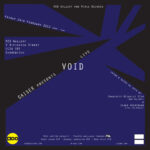
  • Dimensions 2012

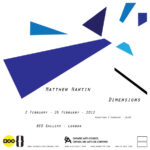
    Dimensions Exhibition:

    2 February – 26 February, 2012
    Opening reception – 2 February – 19:00
    RED Gallery
    3 Rivington Street
    EC2A 3DT
    Shoreditch, UK

    Promo video

    MH interview

    Dimensions Catalogue

    Parallels

    Symmetry, futurism, bleeding edges, infinitely repetitive layers, contrasting textures and hidden messages. These words that describe Canadian artist Matthew Hawtin’s paintings, prints and sculpture could easily apply to the music made by his brother, techno producer Richie Hawtin. It’s in this solo exhibition, showcasing some of the art Matthew has made in conjunction with his brother’s record labels Plus 8 Records and Minus Records, that we can see the parallels between the two mediums.

    Since he started making art linked to record labels in the early 1990s, 39-year-old Matthew has been steadily refining his work. The minimalism, clean lines, abstract concepts and layering that defines his work have been there since the beginning.
    “My work has slowly been minimalised and reduced,” he says. “I think that’s what any artist wants to do, whatever medium they work with. They want their work to be refined until it’s down to its pure essence; achieve an idea in its purest form, in a way.”

    The abstract shapes and colours on Matthew’s paintings for Richie’s F.U.S.E project, made in 1993, hint at his original ideas about symmetry and space. His concept for these pieces was to create 3D space on the 2D surface. Those paintings ended up becoming the artwork for his brother Richie’s ‘Dimension Instrusion’ album and 12” release, that he put out under his F.U.S.E moniker.

    Examine the work that follows these early pieces and you can see how Matthew’s minimal style and reductive aesthetic intersects similar points in the development of electronic music. The early days of putting paint on canvas have developed into the flowing futurism of his fiberglass-manufactured then hand-painted Torqued Panels series. Matthew’s methods of making art have become more advanced, his materials more refined and the process more technical in parallel with the technological advances in making electronic music. In this respect, this exhibition is the story of Plus 8 Records and Minus Records told visually.

  • Torqued Panels Phase II

    Torqued Panels Phase II – 2011

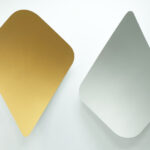
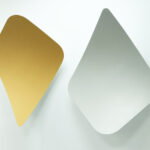
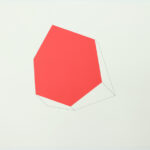
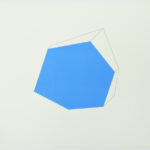
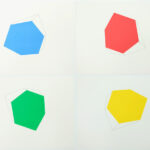
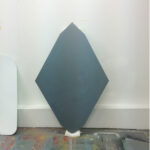
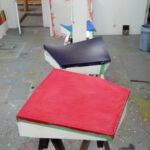
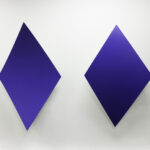
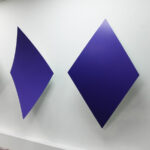
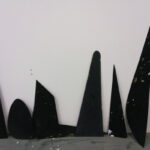
    Phase II marks the eureka moment with the panels, with the decision to rotate the position of the panels, and then, the evening before the panels went to O&O for surface preparation I decided to cut down each panel into individual but proportional shapes. The surfaces were then prepared and primed and then returned to my studio for finishing. So far, there are 8 panels. Four of the panels are individual pieces yet form relationships with one another, and the other four panels are combined into one single piece, a quadtych.

    The work itself has carried forward the notion of the other-worldly and investigates this in terms of outer space and ideas concerning myth and the celestial. The torqued panels, like the torqued paintings, can be viewed as formal objects that explore the basics principles of art; line, shape, colour and form, yet they also exist in that space where thoughts and feelings can live, as simple objects of meditation that reflect our daily emotions. I know it is my own life that is layered upon the surface, during the slow process of painting and sanding, painting and sanding, over and over to achieve the ‘right’ surface. Undoubtedly, I also know that whatever I think the work is about, it will also take on a life of its own as I continue to work on the series and the ideas develop further. I have felt this already as the works have become individualized, taking on colourful personalities of their own. Like the unique planets that make up our solar system or our relationships with friends and family, the Torqued Panels are meant to exist across the spectrum of our daily experiences that we carry with us day after day, night after night, thru life.

  • Torqued Panels Phase I

    Torqued Panels Phase I – 2010

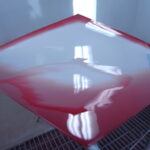
    The idea for a torqued panel grew out of the Torqued Painting series of 2009 when I was exploring the possibility of removing, or in the case of the 2009 work, of hiding the structure of the paintings to focus more intently on only surface. The main concept was to completely remove the physical frame of the work but maintain a torqued plane and leave behind only a painted surface that floated off the wall.

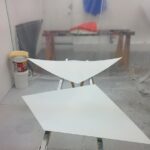
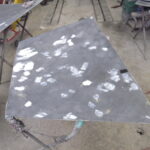
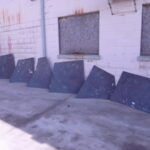
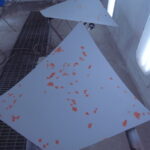
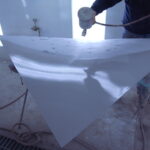
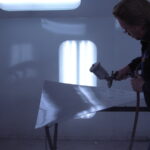
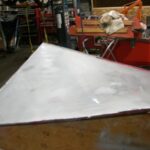
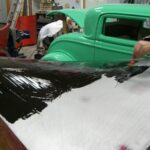
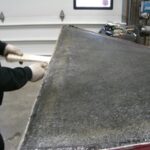
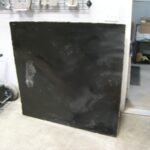
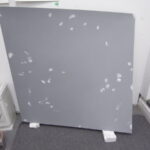
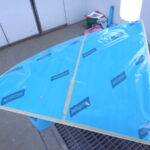
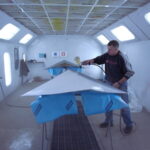
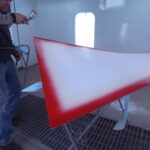
    I choose to work in fiberglass for this new series, firstly by taking a mould of an old torqued painting and then using the mould to cast the panels. The mould and subsequent panels were produced at Jim’s Automotive in Windsor, Canada. Initially we produced 4 small panels to test different painting applications and later we produced another 10 panels at the maximum size of 121 x 121 cm.

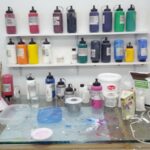
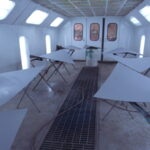
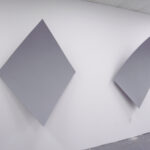
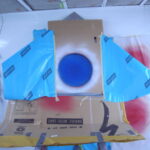
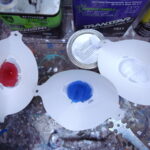
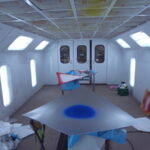
    Phase I can be seen as the technical stage in the development of this new work, a time of learning and frustration but then clarity that finally comes thru trial and error. Once cast, the panels went to O&O Automotive in Windsor for the surfaces to be prepared for painting. At this stage my ideas for the panels were centered on working with automotive paint in order to achieve a high-gloss and refined finish. I completed a series of small drawings exploring different designs and was interested in trying to achieve something ‘other-worldly’ and in a sense, futuristic, though the ideas were still being formulated as the work progressed. Working at O&O, I decided to do 2 of the designs to explore and confirm the new direction. The results can be seen in the pieces Edge and In & Out. These works were first hung square on the wall but were then turned into a diamond orientation. Despite looking better I did not feel confident with the final results thus these 2 works, plus a smaller panel, are now the only examples of this phase. It is not that the works aren’t aesthetically pleasing or aren’t successful works of art, they were simply moving the work into a direction I wasn’t interested in exploring.

    Thus I retraced my steps back to the panels themselves and back to the original torqued paintings. After much deliberation I decided to prepare the surfaces as if they would be coated with car paint but instead I would finish the surfaces by hand with acrylic paint and in my own studio. I felt this bought the work back to myself, which personalized the work once again and helped move things in a new direction and onto Phase II of the Torqued Panels.

  • Torqued Paintings 10-11

    Torqued Paintings 10-11

    In the fall of 2010 I returned to Windsor, Canada to continue work on the Torqued Panels. Back in a familiar studio I also began work on two new Torqued Paintings, to keep busy while the panels were being produced and as a way to re-evaluate and re-investigate the original paintings. I think working on these pieces enabled me to clarify the direction I eventually decided to take with the Torqued Panels, something that wasn’t exactly clear while I producing the new work.

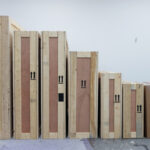
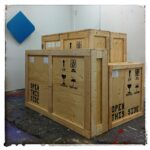
    Also at this time I received a private commission for a Torqued Painting. The original piece, The notion of dread rather than anticipation, was actually produced in 1998 but had some surface damage, thus I was asked, and accepted to re-make the work exactly as before. The work was produced at the beginning of 2011 and the finished piece was packaged and shipped to Atherton, CA, where it now resides.

    New directions for the Torqued Paintings will continue to be developed later this year alongside the Torqued Panels.