Category: Paintings

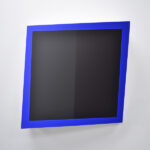
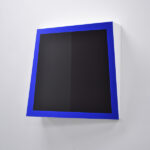
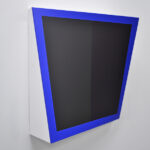
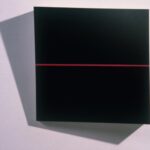
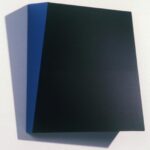
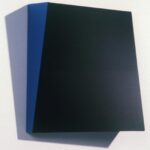
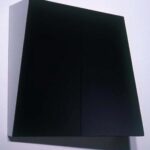
  • Torqued Series 2013

    Torqued Series Statement

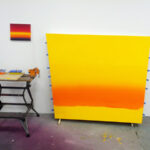
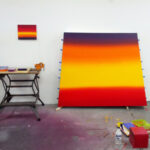
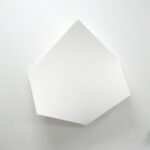
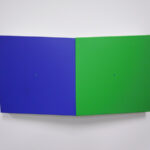
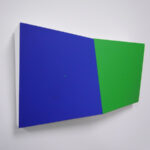
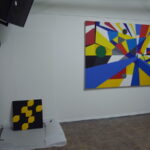
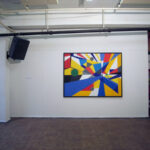
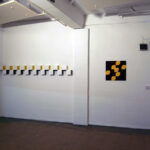
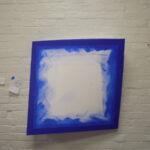
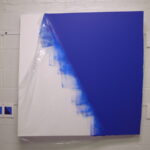
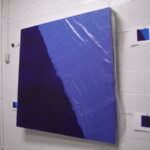
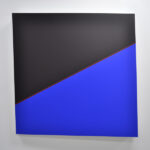
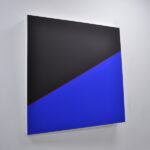
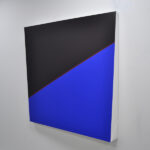
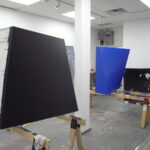
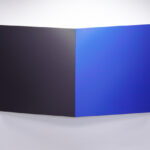
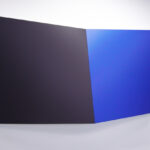
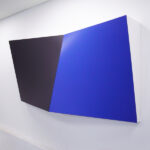
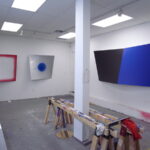
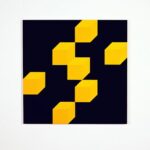
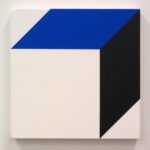
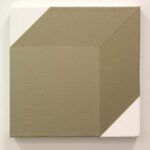
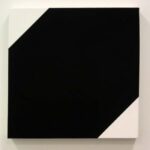
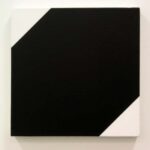
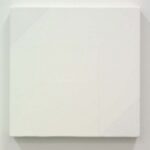
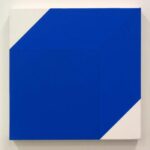
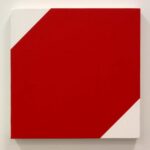
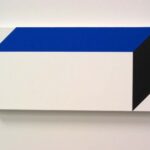
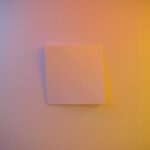
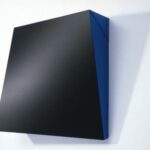
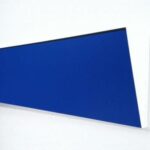
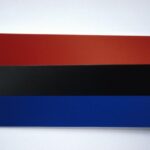
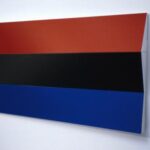
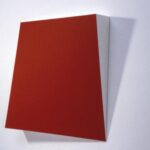
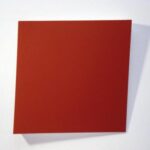
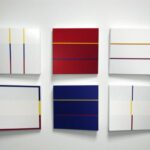
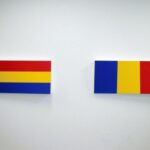
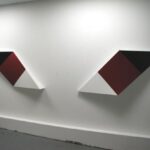
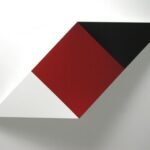
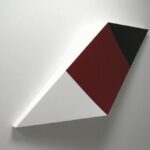
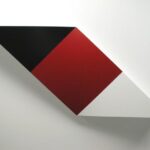
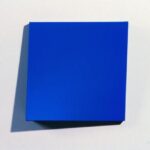
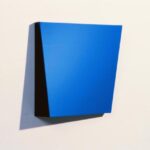
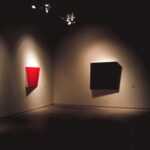
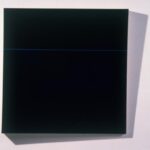
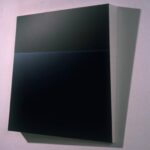
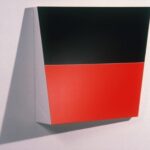
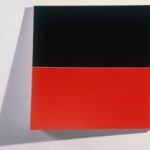
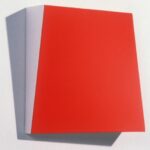
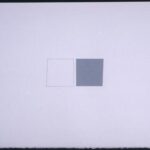
    The Torqued Series started in 1998 with the introduction of the ‘Torqued Paintings’, an investigation into the basic principles of painting – line, shape, colour and form through the use of custom built stretcher frames that ‘torque’ the painting surface. This series has continued since, exploring different iterations on the same underlying principles. Recent developments have seen the wooden frame forego any right-angled proportions and instead has been constructed with no perpendicular sides to create a new and dynamic shape with resulting torqued surface. The original idea was to take one form and by changing the hanging position of each painting a new form would be visible.

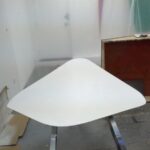
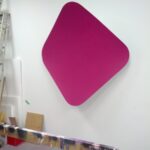
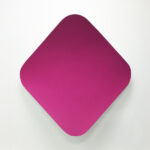
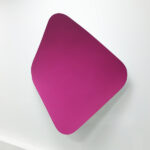
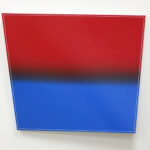
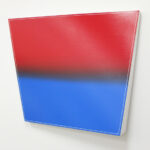
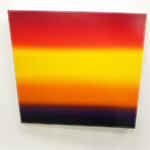
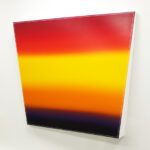
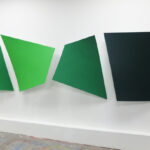
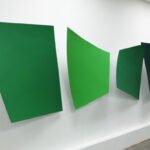
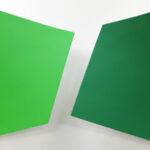
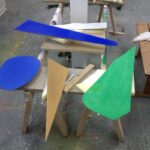
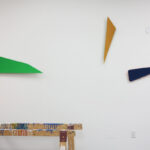
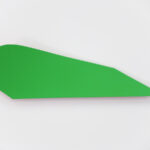
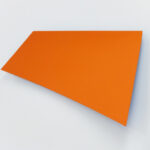
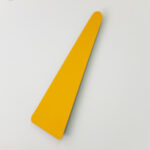
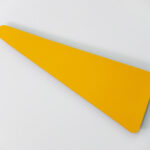
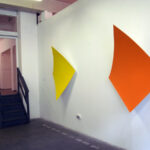
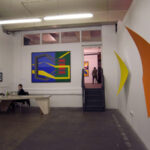
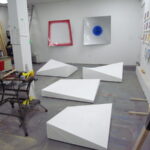
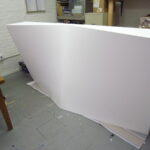
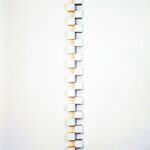
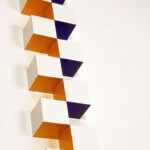
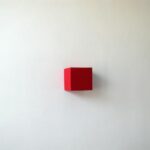
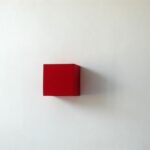
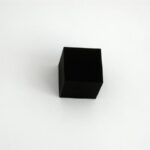
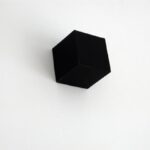
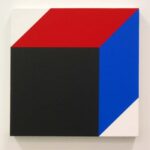
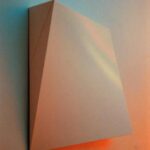
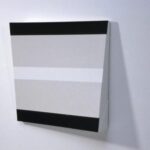
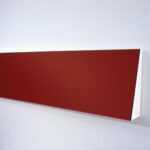
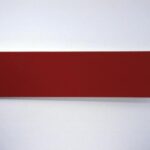
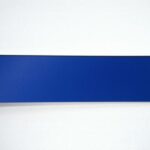
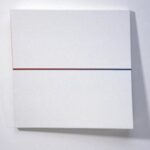
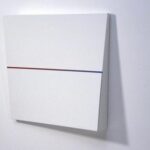
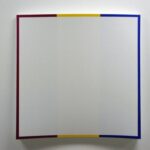
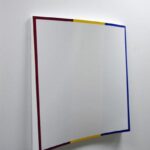
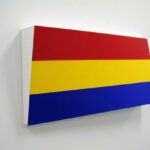
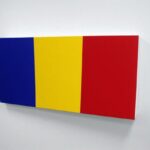
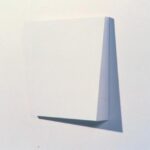
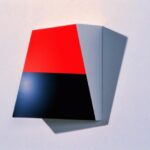
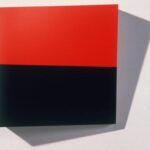
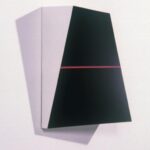
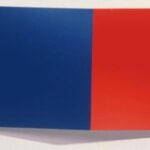
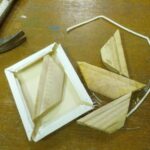
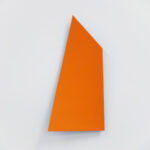
    In 2009 a new development in the Torqued Series emerged by considering the possibilities of removing the physical structure of the paintings (i.e. the stretcher frame), to focus more intently on only surface by maintaining a painted torqued plane that ‘floated off the wall’. To achieve this effect fiberglass panels are used as the painting support. With this new series I was interested in trying to achieve something ‘other-worldly’ and in a sense, futuristic. As the series has progressed the work has also become more individualized, each taking on colourful personalities.

    The Torqued Series, the panels and paintings, live in aesthetic parallel and can be viewed as formal objects that blur the line between painting and sculpture by exploring the basics principles of art; line, shape, colour and form. The works also exist in a space where thoughts and feelings can live; as minimal objects of meditation that reflect our daily emotions.
  • Torqued Series 2012

    Torqued Series 2012

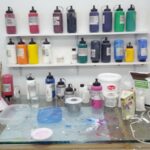
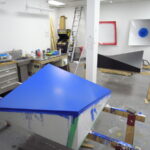
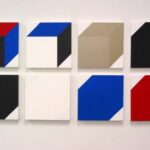
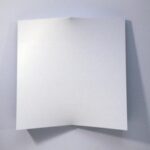
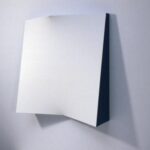
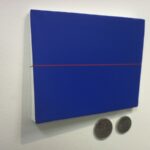
    The idea for the Torqued Panel grew out of the Torqued Painting series of 2009 when I was exploring the possibility of removing, or in the case of the 2009 work, of ‘hiding’ the structure of the paintings to focus more intently on only surface. The main concept was to completely remove the physical structure of the work but maintain a painted torqued plane that floated off the wall.

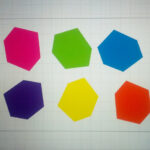
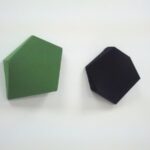
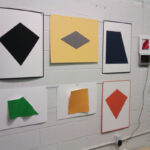
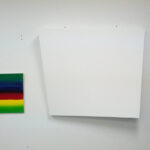
    This series can be understood in two phases. Phase I can be seen as the technical stage in the development of this new work, working with a new material (fiberglass) and a time of learning, frustration but then clarity. Phase II marks the ‘eureka’ moment as the new direction became clear with the decision to rotate the hanging position of each panel and individually trimming down the panels into various proportional shapes.

    In the early stages of the series I was interested in trying to achieve something ‘other-worldly’ and in a sense, futuristic, and as the work developed it has carried forward these notions yet investigates this through ideas concerning myth. I also know that whatever I think the work is about, it will also take on a life of its own as I continue to develop the series and the work progresses. I have felt this already as the works have become individualized, taking on colourful personalities of their own. Undoubtedly, I know that it is also my own life that is layered upon the surface, through the slow repetitive process of painting and sanding, over and over to achieve the ‘right’ surface. The Torqued Panels, like the Torqued Paintings, can be viewed as formal objects that explore the basics principles of art; line, shape, colour and form, yet they also exist in that space where thoughts and feelings can live; as simple objects of meditation that reflect our daily emotions.
  • Dimensions 2012

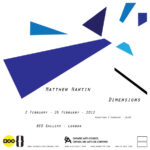
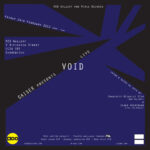
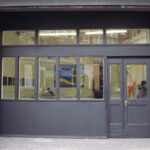
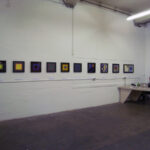
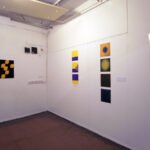
    Dimensions Exhibition:

    2 February – 26 February, 2012
    Opening reception – 2 February – 19:00
    RED Gallery
    3 Rivington Street
    EC2A 3DT
    Shoreditch, UK

    Promo video

    MH interview

    Dimensions Catalogue

    Parallels

    Symmetry, futurism, bleeding edges, infinitely repetitive layers, contrasting textures and hidden messages. These words that describe Canadian artist Matthew Hawtin’s paintings, prints and sculpture could easily apply to the music made by his brother, techno producer Richie Hawtin. It’s in this solo exhibition, showcasing some of the art Matthew has made in conjunction with his brother’s record labels Plus 8 Records and Minus Records, that we can see the parallels between the two mediums.

    Since he started making art linked to record labels in the early 1990s, 39-year-old Matthew has been steadily refining his work. The minimalism, clean lines, abstract concepts and layering that defines his work have been there since the beginning.
    “My work has slowly been minimalised and reduced,” he says. “I think that’s what any artist wants to do, whatever medium they work with. They want their work to be refined until it’s down to its pure essence; achieve an idea in its purest form, in a way.”

    The abstract shapes and colours on Matthew’s paintings for Richie’s F.U.S.E project, made in 1993, hint at his original ideas about symmetry and space. His concept for these pieces was to create 3D space on the 2D surface. Those paintings ended up becoming the artwork for his brother Richie’s ‘Dimension Instrusion’ album and 12” release, that he put out under his F.U.S.E moniker.

    Examine the work that follows these early pieces and you can see how Matthew’s minimal style and reductive aesthetic intersects similar points in the development of electronic music. The early days of putting paint on canvas have developed into the flowing futurism of his fiberglass-manufactured then hand-painted Torqued Panels series. Matthew’s methods of making art have become more advanced, his materials more refined and the process more technical in parallel with the technological advances in making electronic music. In this respect, this exhibition is the story of Plus 8 Records and Minus Records told visually.

  • Torqued Paintings 10-11

    Torqued Paintings 10-11

    In the fall of 2010 I returned to Windsor, Canada to continue work on the Torqued Panels. Back in a familiar studio I also began work on two new Torqued Paintings, to keep busy while the panels were being produced and as a way to re-evaluate and re-investigate the original paintings. I think working on these pieces enabled me to clarify the direction I eventually decided to take with the Torqued Panels, something that wasn’t exactly clear while I producing the new work.

    Also at this time I received a private commission for a Torqued Painting. The original piece, The notion of dread rather than anticipation, was actually produced in 1998 but had some surface damage, thus I was asked, and accepted to re-make the work exactly as before. The work was produced at the beginning of 2011 and the finished piece was packaged and shipped to Atherton, CA, where it now resides.

    New directions for the Torqued Paintings will continue to be developed later this year alongside the Torqued Panels.

  • min2MAX | Berlin Exhibition

    min2MAX | Exhibition

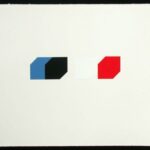
    MINUS returns with a new compilation simply titled ‘min2MAX’. The package is conceptually connected and musically collected by the eyes and ears of Minus bringing together a variety of dynamic music through a creative index of outlets. The sound of the collection features all new and exclusive material from established Minus artists. Fourteen new musical works collected, all connected by shared inspirations, international friendships and unique reactions towards dance music, assembling the minimal sound of ‘min2MAX’. As part of the ‘min2MAX‘ release, Matthew Hawtin will be releasing a limited edition print packaged within the vinyl edition. Entitled ‘Spatial Study’ the print is a companion piece to a brand new solo exhibition of his artwork at the Circleculture Gallery in Berlin. The min2MAX|Exhibition opening will be held at Circleculture Gallery on April 28th (open to the public) and will be on display until June 9.

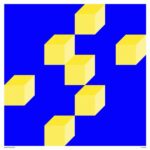
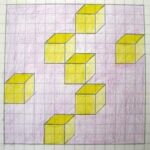
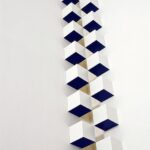
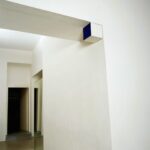
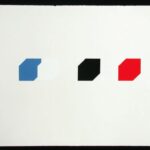
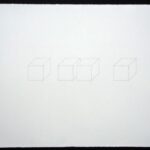
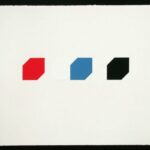
    For the Berlin min2MAX|Exhibition, Matthew continues to develop his visual language by investigating the concept of cubic space. The show will feature artwork that has been created to investigate specific spaces within a space and gallery. He’s concerned with the way each form interacts with one other and the total space; how forms can become imbedded perhaps becoming structural analogies in their own right. By taking a minimal form and maximizing it’s potential, Matthew is producing visual work that compliments the melodic structures of electronic music.

    Circleculture Gallery
    Gipsstrasse 11
    Berlin Mitte
    Germany

    http://www.circleculture.com

  • Cubes 04

    ‘Untitled’ Cubes & Paintings

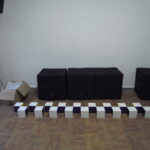
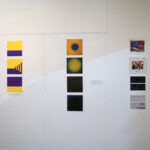
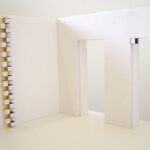
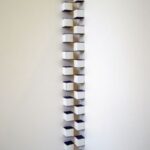
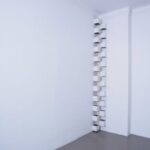
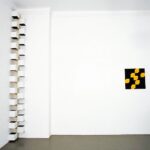
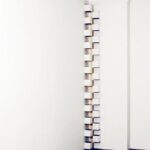
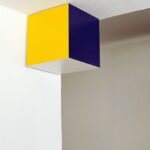
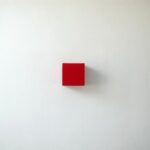
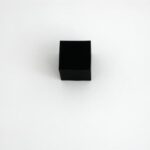
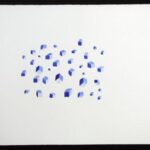
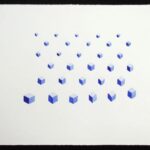
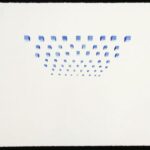
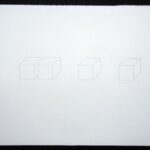
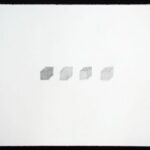
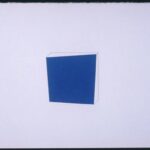
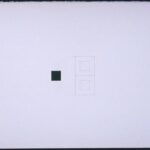
    The Cubes are a further extension of the Corner Constructs (CC) and constructed from the same industrial materials. These are the insular cousins of the CC: inert, quiet and unassuming yet also specific and intriguing. The Cubes need no justification other than themselves, the space becomes part of their habitat, where they ‘sit’, just ‘being’. They were inspired from architectural detailing and were born from the ideas of the CC: investigating space through the structural and spatial intervention of forms.

    The Cube paintings can be seen as studies for the 3-dimensional work and explore the relationship of the 2-D plane to 3-D space. Once again ambiguous and quiet, yet they possess a dialogue of thought between abstraction and representational space. These paintings echo the Cubes and highlight the physical nature of space and form.

  • Untitled @ Sixty Four Steps

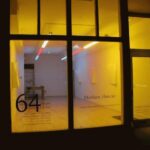
    Untitled, but thoughtfully known as Equivocal Love.
    Sixty Four Steps Contemporary Art, Toronto.

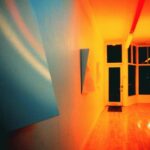
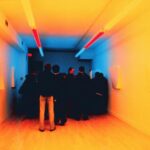
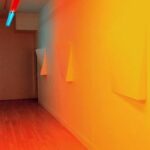
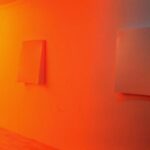
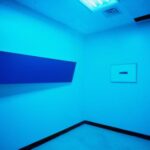
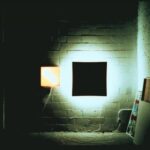
    This new work is a further development of the ‘Torqued’ painting series but in this case there is a greater emphasis on the lighting and “total” installation of the work.
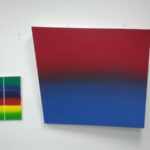
    The piece consists of 2 series of paintings, three angled and three curved with varying dimensions, plus 6 fluorescent fixtures, consisting of blue, yellow and red lamps each designated to a specific zone within the gallery.
    The main objective of this exhibition is to further explore the technical lighting of the paintings and to develop the idea of ‘total space’ within the gallery setting. Thus all the elements within this particular space are of equal importance to each other; the paintings, the light fixtures and the resulting light all create an atmosphere of totality.
    The notion of ‘total space’ has developed out of a growing interest in architecture and design and the technical and aesthetic considerations involved. The concern was how to appropriate singular works of art into an overall perceptual effect while also considering the emotional and aesthetic reactions to the different zones.

  • Torqued Paintings 00-02

    Standing before a history of art that chooses to interpret works as either objects or subjects these works converge at the intersection of different thoughts. Part painting, part sculpture, part design, they are a concentrated amalgamation of spatial concepts imbedded with the emotional residue of the ongoing perceptual experience.

    In a continual progress of developing these ‘Torqued Paintings’ I am currently exploring different size proportions of stretcher frames to expand the visual field into greater extremes of subtly and intensity.

  • Torqued Paintings 97-99

    My work involves the use of custom-built stretcher frames with varying depths at each corner. Depending on the measurements of each frame the surface of the canvas changes in different degrees of subtlety thus creating a new picture plane quite unlike the usual flatness of the painting surface.

    Influenced by architecture as much as by literature, films and other experiences, I am trying to translate those feelings that occur during certain moments into something visual. The colours I choose are reflective of the emotions used to ‘build’ each work and are applied systematically to achieve an overall uniformity so all that remains is a pure colour with no surface distractions.
    The titles entice the viewer further within each piece, and are there to dismiss any notions that the works are merely colourfields or non-objective. They are there to suggest ‘something’, and to create a certain atmosphere where the paintings can exist: between a point of knowing and not knowing, of being on the cusp of clarity and obscurity.

    Standing between a history of art that chooses to interpret works as either objects or subjects these paintings converge at the intersection of two thoughts. The works exist as pure formal objects yet are imbedded with the emotional residue of the perceptual experience.